
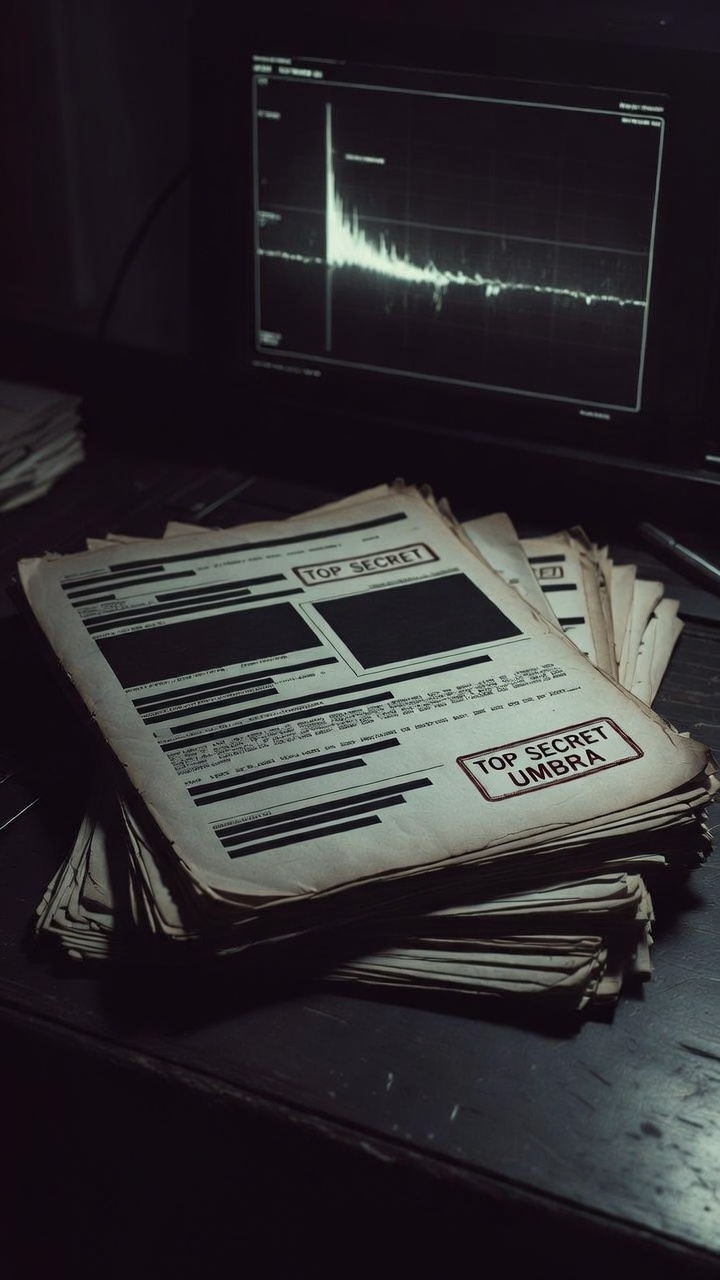
On May 18, 2026, the Disclosure Foundation announced a major victory in its long-running Freedom of Information Act battle with the National Security Agency. After years of appeals, the NSA produced hundreds of pages of historical records related to Unidentified Anomalous Phenomena — nearly all of which had previously been classified at one of the highest levels in the U.S. intelligence community: TOP SECRET UMBRA.
UMBRA is not a standard classification. It is a compartmented codeword used by the NSA for its most sensitive signals intelligence (SIGINT) material. Information bearing this marking is considered exceptionally damaging to national security if disclosed without authorization. The fact that the agency released hundreds of pages carrying this designation represents a significant development in the ongoing UAP transparency process.
The documents span multiple decades and contain intelligence reports, radar data summaries, and descriptions of unusual aerial phenomena observed by military and civilian sensors. Among the more striking entries are accounts of large formations of objects, objects exhibiting extreme performance characteristics, and at least one incident in which more than a dozen fighter aircraft were scrambled to pursue a single unidentified target.
This article provides a detailed analysis of the released NSA UMBRA UAP records. It examines what the documents contain, what the UMBRA classification itself reveals about the sensitivity of the material, how these records fit into the broader 2026 wave of declassifications, and what implications they carry for understanding government knowledge of UAP.
The May 2026 NSA UMBRA FOIA Release
Background of the FOIA Action
The Disclosure Foundation had pursued UAP-related records from the NSA for years through FOIA requests and subsequent appeals. Many initial responses from the agency either denied the existence of responsive records or heavily redacted them. The successful appeal in 2026 forced the production of a substantial volume of previously withheld material.
Scale and Classification Level
The production includes more than 300 pages, with the majority originally marked TOP SECRET UMBRA. This level of classification is reserved for the most sensitive SIGINT-derived intelligence. Its appearance on UAP-related documents indicates that the NSA treated certain observations of unidentified phenomena as high-priority intelligence matters.
Timeline and Context
The release occurred just days after the second tranche of the Department of War’s PURSUE portal on May 22, 2026. While PURSUE focused on a broader interagency collection of videos, photos, and documents, the NSA UMBRA release provides a narrower but deeper look into signals intelligence holdings on the same subject.
What the UMBRA Classification Reveals
Meaning of UMBRA in NSA Context
UMBRA is one of the most restrictive compartments within the NSA’s classification system. Documents bearing this marking typically involve highly sensitive collection methods, sources, or targets. Its use on UAP files suggests that the agency viewed these phenomena through the lens of potential foreign intelligence collection or advanced technology assessment.
Implications for UAP as an Intelligence Priority
The decision to classify UAP-related SIGINT at the UMBRA level indicates that, at least historically, the NSA considered certain observations worthy of the highest levels of protection. This stands in contrast to public statements from some officials that UAP represented low-priority or explainable phenomena.
Comparison with Other Declassifications
Unlike the more visual and narrative-focused material released through PURSUE, the NSA files are primarily text-based intelligence reports. They offer a different perspective — one rooted in signals intelligence rather than pilot sightings or sensor video.
Content of the Released Documents
Types of Records
The production contains intelligence reports, summaries of radar and other sensor data, and descriptions of specific incidents. Many documents are heavily redacted, but visible portions describe objects with unusual characteristics.
Notable Incident Descriptions
Several entries stand out for their detail. One document references an encounter in which 13 fighter aircraft were reportedly scrambled to pursue a single unidentified object. Other reports describe spherical or disc-like objects appearing brighter than the sun, objects moving silently at low altitude while making abrupt directional changes, and formations involving dozens of objects at high altitude.
Additional entries mention luminous phenomena, spiraling objects gaining altitude without audible sound, and fireballs that appeared to split into multiple parts. These descriptions align with patterns reported in other historical UAP cases but gain additional weight due to their origin in NSA signals intelligence channels.
Temporal Span
The records cover multiple decades, providing a long-term view of how the NSA handled UAP-related intelligence. This longitudinal perspective is valuable for identifying whether interest in the topic remained constant or fluctuated with geopolitical or technological developments.
How These Records Fit the 2026 Disclosure Wave
Relationship to PURSUE Releases
The NSA UMBRA files complement the visual and documentary material released through the Department of War’s PURSUE portal. While PURSUE includes recent military videos and historical NASA audio, the NSA production adds a signals intelligence dimension that was previously almost entirely absent from public releases.
Significance for Researchers
For analysts and researchers, access to NSA SIGINT summaries on UAP offers new data points for cross-referencing with pilot reports, radar data from other agencies, and international cases. The combination of multiple intelligence disciplines strengthens the overall evidentiary picture.
Limitations of the Release
Despite the volume, the documents remain heavily redacted in many places. Full context, collection methods, and specific sensor data are often obscured. This is typical of FOIA productions involving sensitive intelligence but limits definitive conclusions.
Systemic Implications and Transparency Questions
Oversight and Compartmentalization
The fact that significant UAP-related SIGINT was held at the UMBRA level raises questions about the degree of compartmentalization within the intelligence community. It suggests that certain categories of UAP information were handled through channels with very limited distribution.
National Security and Technological Surprise
Treating UAP observations as high-priority SIGINT implies concern about potential technological surprise or foreign adversary capabilities. The release provides indirect evidence that UAP were taken seriously within at least one major intelligence agency for an extended period.
Path Forward
Future FOIA actions and additional tranches from PURSUE may gradually fill in gaps. The NSA UMBRA release demonstrates that persistent, targeted transparency efforts can yield results even on highly classified material.
INSIGHTS
- Link 1: NSA Releases Hundreds of Pages of Formerly Top Secret UMBRA UAP Records After Disclosure Foundation FOIA Appeal – Fonte: Disclosure Foundation, May 18, 2026.
- Link 2: Newly released secret government files detail UFO encounter with 13 fighter jets – New York Post, May 22, 2026.
These primary sources are essential because they represent the first substantial public release of NSA signals intelligence on UAP at the highest classification levels. They allow independent researchers to begin cross-referencing SIGINT descriptions with other sensor and eyewitness data released in 2026.
FAQs
What does UMBRA mean in NSA classification?
UMBRA is a highly restrictive compartmented codeword used by the National Security Agency for its most sensitive signals intelligence material. Documents marked TOP SECRET UMBRA are considered exceptionally sensitive.
How many pages were released in the 2026 NSA UMBRA FOIA production?
The Disclosure Foundation reported the release of hundreds of pages, with multiple sources citing more than 300 pages of formerly TOP SECRET UMBRA UAP-related records.
What kinds of incidents are described in the NSA documents?
Visible portions describe objects appearing brighter than the sun, silent low-altitude maneuvers with abrupt direction changes, large formations of objects at high altitude, and at least one case involving 13 fighter jets scrambled to pursue a single UAP.
Why is this NSA release considered historically significant?
It marks the first major public production of NSA UAP records classified at the TOP SECRET UMBRA level, providing rare insight into how signals intelligence agencies assessed unidentified aerial phenomena.
How do these records differ from the PURSUE releases?
The NSA UMBRA files are primarily text-based intelligence reports focused on signals intelligence, whereas PURSUE includes videos, photographs, and broader interagency documents.
Can researchers access the full unredacted NSA UMBRA documents?
No. The released versions contain significant redactions. Full context and collection details remain protected under classification rules.
Conclusions / Takeaways
The May 2026 NSA UMBRA UAP records release represents a meaningful step in UAP transparency. For the first time, researchers have access to a substantial body of signals intelligence material that the NSA once protected at its highest compartmented level.
While redactions limit definitive analysis, the visible content shows consistent patterns of unusual aerial activity reported through intelligence channels over many years. The use of UMBRA classification itself demonstrates that the NSA treated certain UAP observations as serious intelligence matters rather than routine anomalies.
This release, combined with the ongoing PURSUE tranches and previous whistleblower testimony, continues to build a more complete picture of how multiple agencies within the U.S. government have engaged with the UAP phenomenon. Continued pressure through FOIA and congressional oversight will likely be required to bring additional material into the public domain.
Call to Action
What stands out most to you in the NSA UMBRA documents — the classification level, specific incidents, or the long-term nature of the records? Share your thoughts in the comments. If this analysis was useful, share it with researchers and transparency advocates. For related reading, see our coverage of the Pentagon PURSUE releases and the Immaculate Constellation whistleblower report.
Disclaimer: This article was created with the partial or full assistance of artificial intelligence. The text and all accompanying images were generated or significantly supported by AI tools.
Insider Release
Declassified. Analyzed. Explained.
You may also like
DOE OICI UAP FOIA: What Energy Intelligence Releases (and Withholds)
CIA Stargate Documents Explained: What’s in the CREST Remote-Viewing Files (and How to Read Them)
Why Is AARO Buying Private Pre-1990 UAP Archives?
What Does Grusch’s UAP NDA Waiver Actually Allow?
NARA UAP Records Collection: What’s in RG 615