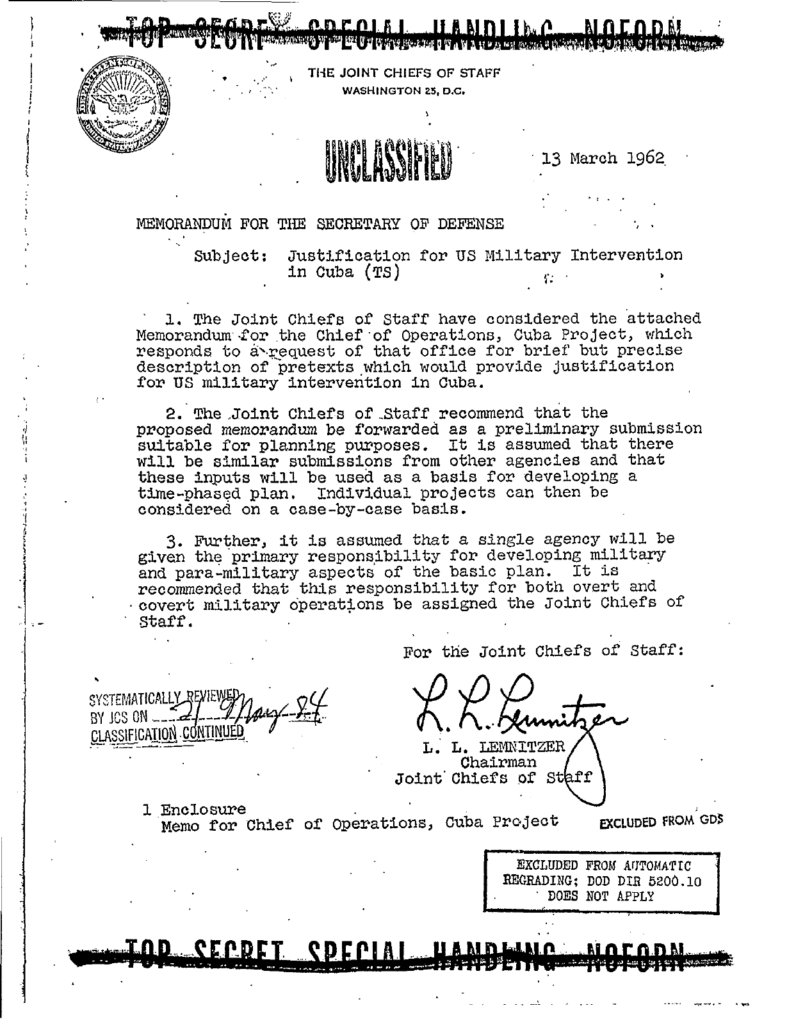
Operation Northwoods Documents: Read the 1962 Plan
Read the original Operation Northwoods documents: the 1962 Joint Chiefs proposal, archival download links and the limits of what the record proves.
Declassified documents can illuminate how governments assessed events, managed information and recorded uncertainty—but they require careful reading. This Insider Release archive covers released CIA, Defense, Energy, intelligence and National Archives material, together with FOIA responses and the surrounding context. We identify the record, its provenance and its limits rather than treating declassification alone as confirmation of every claim attached to it.
Use the archive to follow records from discovery through interpretation. Our guide to the NARA UAP Records Collection, RG 615 explains how a national archive collection can shape future research. Coverage of the DOE OICI UAP FOIA release examines what an agency response does—and does not—establish. For readers tracing newer public releases, see the PURSUE Release 05 records and the practical guide to downloading War.gov UFO files. The UAP Science Advisory Council declassification requests provide another view of how requests for access develop.
Across these stories, we distinguish primary documents from summaries, commentary and claims made about them. Redactions, missing attachments, document dates and chain of custody can materially affect interpretation. The goal is a usable, transparent reading path for researchers and general readers—not a catalogue of sensational conclusions. Check each linked report for the source details and the questions that remain open.
A core primary-source brief in this archive is the Wilson–Davis memo notes—what the typed “EWD NOTES” actually say, and what they do not prove.
Read the original Operation Northwoods documents: the 1962 Joint Chiefs proposal, archival download links and the limits of what the record proves.
The wilson davis memo is a 15-page set of typed interview notes dated 16 October
AAWSAP is the DIA contract (HHM402-08-C-0072) behind the AATIP name fog—BAASS deliverables, ~$22M appropriations, DIRD FOIA trail, and AARO’s official-vs-informal reframing.
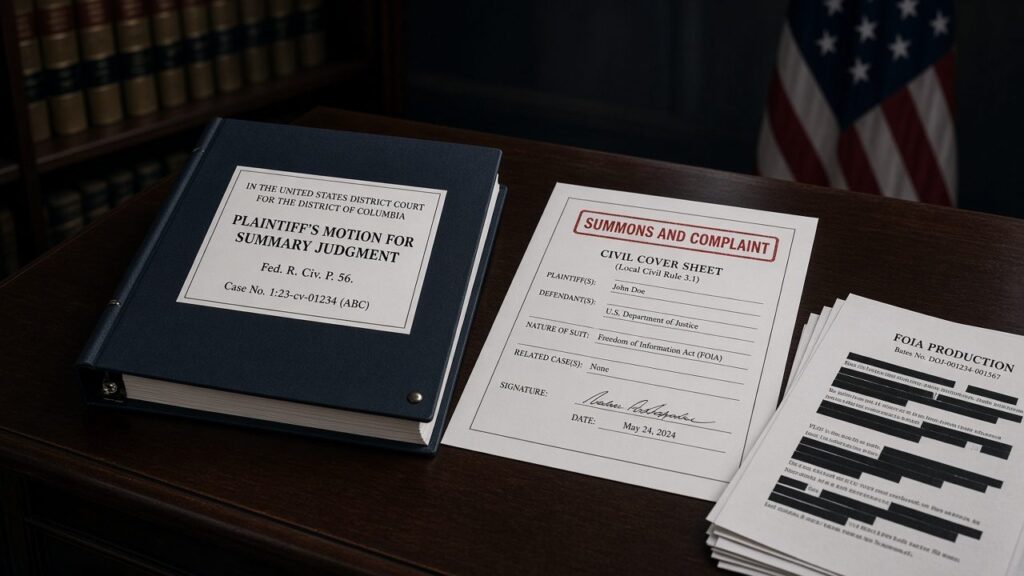
DOJ moved for summary judgment in Grusch v. DoD (EDVA 1:26-cv-00607). The sole remaining issue is FOIA search adequacy: what the motion claims, what an opposition must show by October 12, 2026, and which records are still at stake.
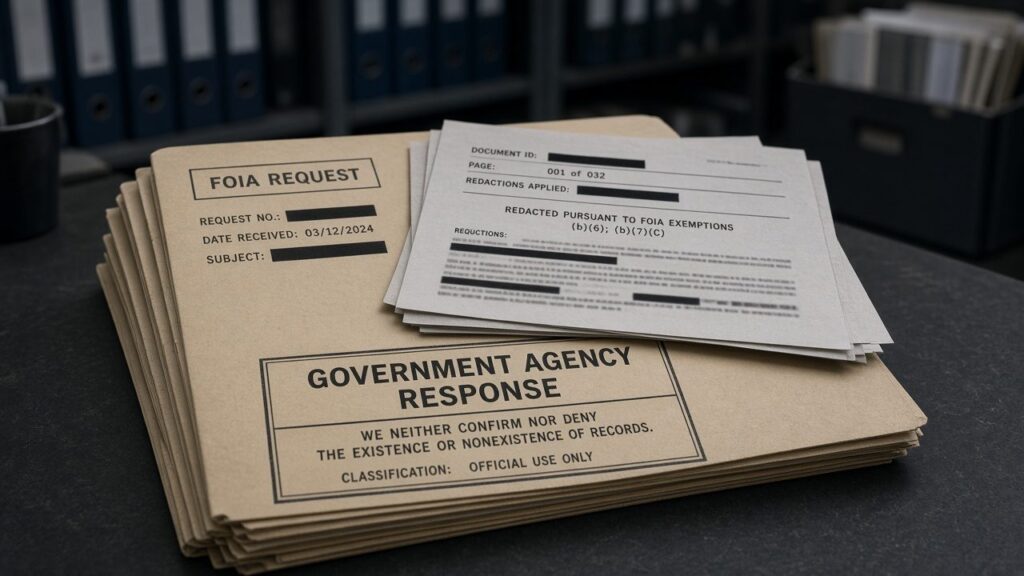
Scientists on the UAP Science Advisory Council say they filed more than 50 declassification or information requests, with Matthew Szydagis naming Varginha as a priority. This FOIA-first explainer separates Loeb/Szydagis wording, Burlison’s CIA/FBI letters and the F-2023-00442 Glomar, and Brazil’s 1997 official conclusion — without treating any request as NHI proof.
The CIA CREST database holds roughly 930,000 declassified documents, but a one-word search wastes it. This guide explains Reading Room operators, filters, CIA-RDP document numbers and how to cite a PDF, with verified UFO, Stargate and MKUltra examples.
The DOE OICI UAP FOIA trail is a paperwork story, not a crash-retrieval story. Public
The CIA Stargate documents flood social feeds as proof of psychic warfare. The CIA Reading
Source-access note, 7 October 2026: The specific SAM.gov notice discussed below could not be independently
A UAP NDA waiver concerns disclosure through designated government channels. It does not itself make