
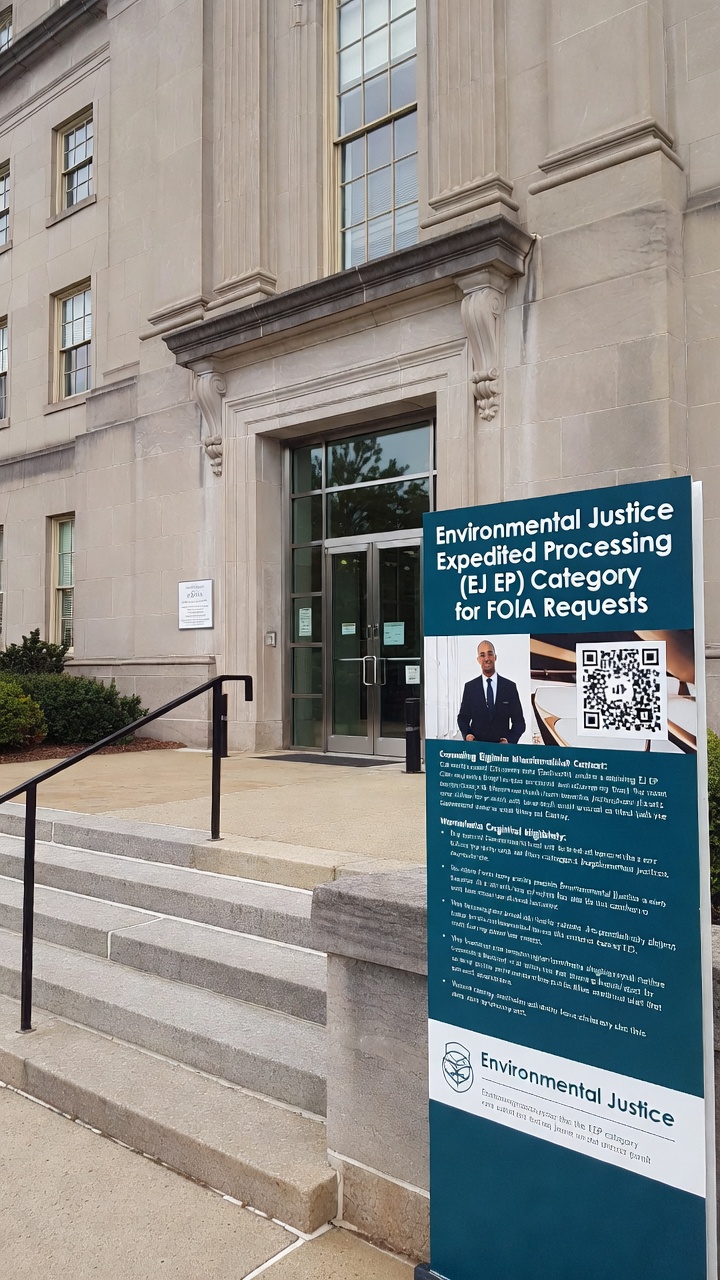
EPA FOIA expedited processing is a priority procedure for qualifying requests for agency records. It should not be confused with a guarantee that every requested document will be delivered within a fixed number of days.
Correction, 7 October 2026: An earlier version of this article asserted that EPA had abolished its environmental-justice fast track and replaced it with a 45-day default. The references supplied did not substantiate that account. This revision removes those assertions and uses the agency’s published guidance.
In this article
What EPA’s published guidance says
The EPA FOIA request-process page, updated 24 April 2026, lists compelling need, environmental-justice-related need, or both as grounds for expedition. Compelling need concerns an imminent threat to an individual’s life or physical safety, or urgent public information about federal activity requested by someone primarily engaged in disseminating information.
For the environmental-justice route, EPA asks for justification addressing the records’ connection to federal activity, the community’s pressing information need, potentially disproportionate adverse effects, and the requester’s ability and intention to convey the information.
Where the environmental-justice provision came from
EPA’s 2023 Phase II regulations announcement described this additional expedition standard and fee changes. That dated announcement documents the policy’s introduction; it does not establish a later repeal.
Response deadlines and document delivery
EPA describes a general 20-working-day response requirement, with extensions in unusual circumstances. A response deadline and completion of a records production are different questions. Check the determination letter and current regulations when assessing an individual request.
How to make a focused request
Identify existing records, relevant offices and a date range. Explain the applicable urgency rather than assuming that a pollution-related request automatically qualifies. Use the EPA Public Access Link, retain the tracking number and read the agency’s determination. EPA’s guidance describes an appeal period of 90 calendar days.
Evidence limits
This page is a guide to the published process, not a finding that any particular request will succeed. A claim about a new rule should identify its authentic regulatory text, effective date and precise changes. The unsupported examples and legal references in the previous version have been removed.