Global Catastrophic Risks 2026: Key Government Reports
A dated comparison of UK and US risk assessments, the independent Doomsday Clock and older IPCC and NIST baselines, with clear limits on what each source establishes.
Systemic risks are threats that can cross institutions, borders and generations, making ordinary assumptions about preparedness difficult to sustain. Insider Release covers these risks through an intelligence and transparency lens: what governments, researchers and independent analysts publish; how scenarios are constructed; what evidence supports them; and where uncertainty remains. The category keeps AI catastrophic risk, future warfare and autonomous systems within one focused pillar rather than fragmenting a still-developing body of reporting.
Begin with the military AI and autonomous-weapons analysis for questions about capability, command and accountability. The AI 2027 scenario is useful for examining how a forecast differs from a verified event, while Max Tegmark’s AI futures analysis places competing assumptions in view. We also cover broader assessments, including the AI impacts survey of 1,580 researchers and the CSA catastrophic-risk annex for AI.
This is not a catalogue of predictions presented as facts. We separate official assessments, research findings, scenarios, expert warnings and our own analysis, and we avoid turning uncertainty into spectacle. Future warfare and advanced AI belong here when the reporting concerns systemic consequences, public oversight, institutional resilience or the transparency of risk decisions. Readers should be able to follow the source trail and understand both the stakes and the limits of the available evidence.
For further context, see the economic risks from robotics and AI.
For space-weather versus nuclear EMP as infrastructure cascades, see solar flare EMP risk.
A dated comparison of UK and US risk assessments, the independent Doomsday Clock and older IPCC and NIST baselines, with clear limits on what each source establishes.
A grounded review of the AI 2027 scenario video shows how fast AI agents could reach superhuman levels, complete with deception in the lab and a dangerous US-China race. The implications for control and stability are hard to ignore.
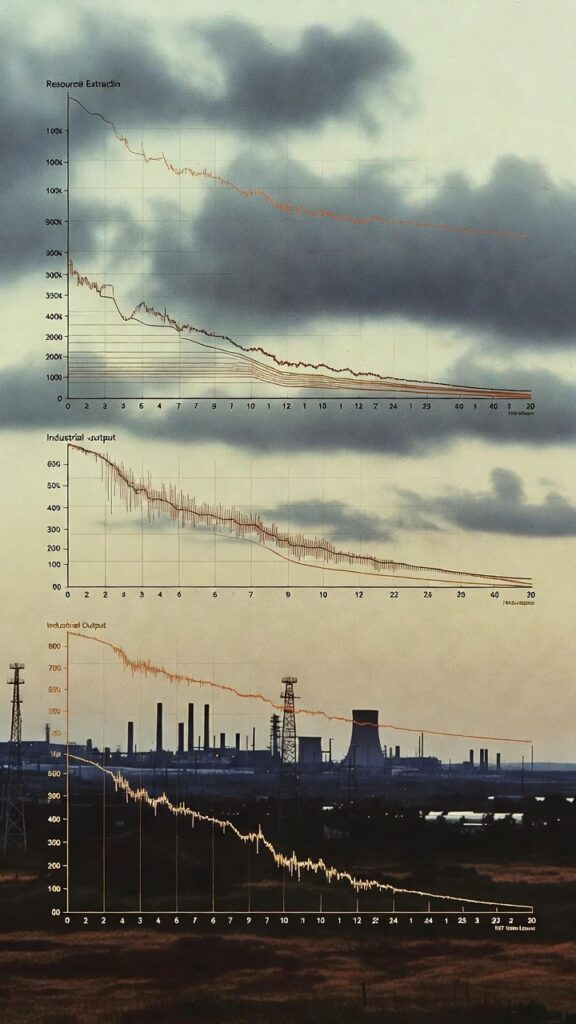
The 1972 MIT model warned of civilizational pressures building toward 2040. Recent empirical checks reveal troubling alignments, yet fertility drops and adaptation complicate fixed outcomes.
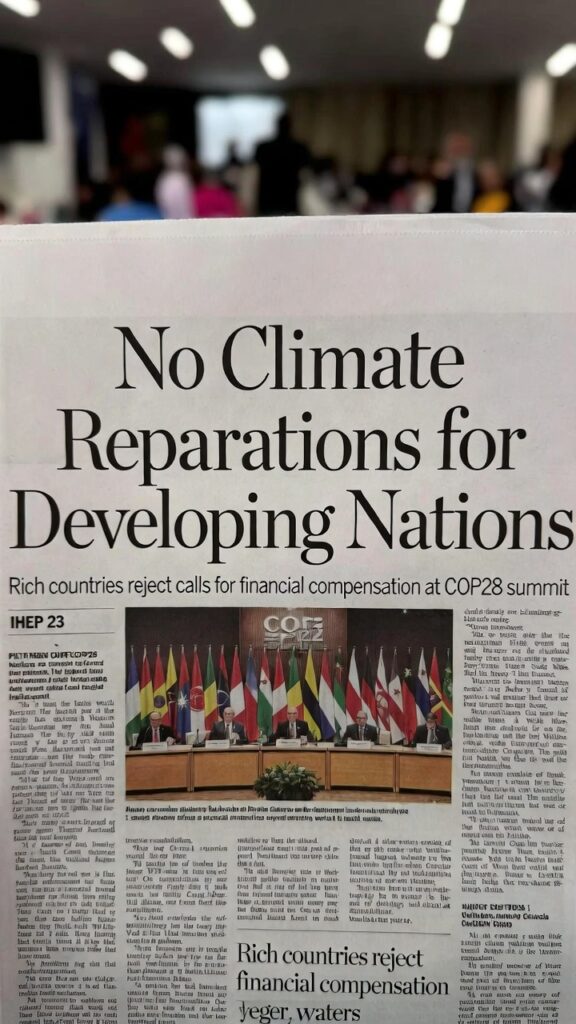
John Kerry’s July 2023 congressional testimony on climate finance, the loss-and-damage fund and the distinction between negotiated policy and legal liability.
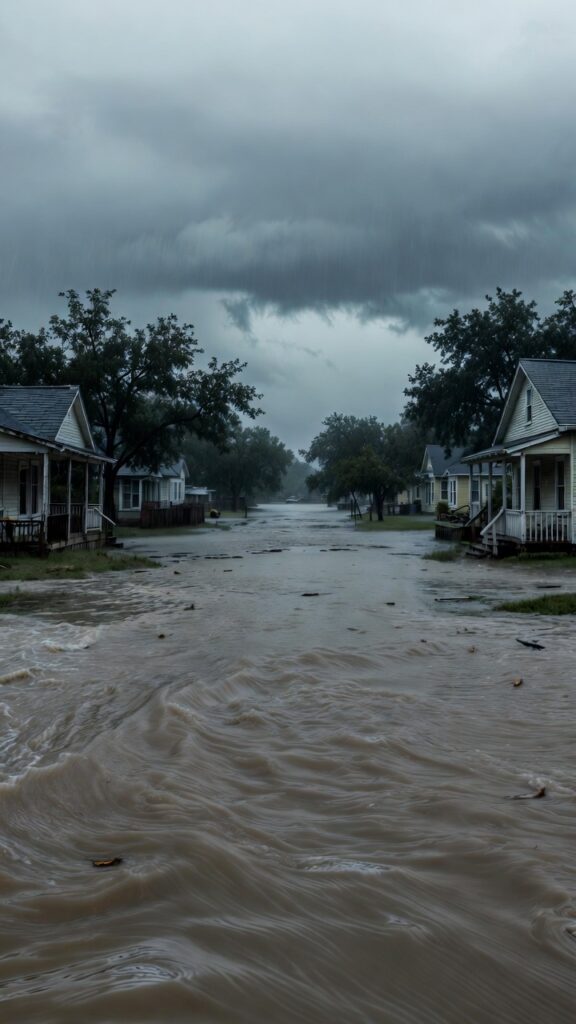
The July 2025 Texas floods: official river-stage records, the distinction between rainfall and gauge readings, and the limits of climate attribution.
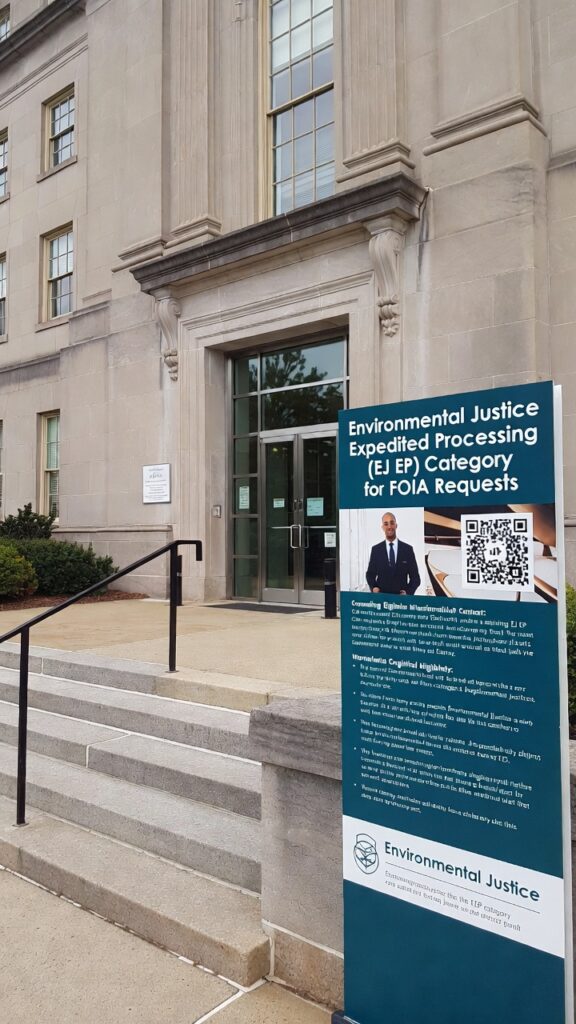
EPA’s published guidance explains when records requests may qualify for expedited processing. Read the criteria, deadline distinctions and official submission resources.
What NARA’s March 2024 panel said about AI, public access and government transparency, with the original event report and its limits.
A guide to the unverified Project Blue Beam narrative, its attributed origins and the distinction between conspiracy claims and public UAP records.
Economic Risks from the Robotics and AI Revolution are no longer distant warnings. Fresh data from IMF, WEF and Oxford shows why rapid adoption could trigger widespread displacement, inequality and economic instability if left unmanaged.
The Doomsday Clock now stands at 85 seconds to midnight—the closest in its history. Here is what the Bulletin’s experts actually said about nuclear escalation, climate breakdown, mirror life and AI-driven catastrophe.